Ashley Brant
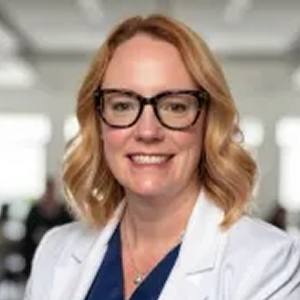
Ashley Brant is a seasoned leader in the bioanalytical industry with over 25 years of experience in driving process improvements that enhance productivity and ensure regulatory compliance across both large and small molecule bioanalytical streams. Ashley’s career began after earning her biochemistry degree from Eastern Michigan University, performing EGFR receptor research with Elizabeth Butch. She […]
Clifford Rossi
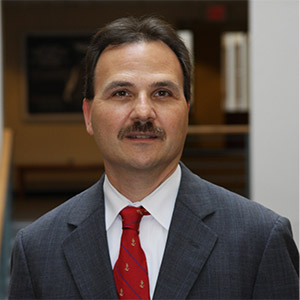
Dr. Rossi is Professor-of-the-Practice, an Executive-in-Residence, and Director of the Smith Enterprise Risk Consortium at the Robert H. Smith School of Business, University of Maryland. Prior to entering academia, Dr. Rossi had nearly 25 years of risk management experience in banking and government, having held senior executive roles at several of the largest financial services […]
Dr. Harmen Hawer
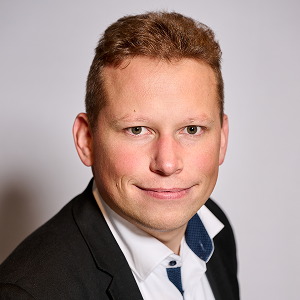
Bio coming soon
Jason Gibson
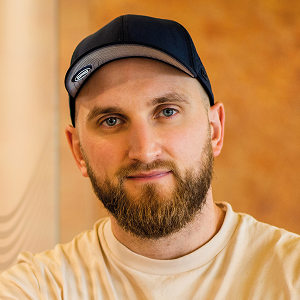
Jason is a Solutions Engineer at Turnitin, where they have dedicated over nine years to supporting clients worldwide. With a deep understanding of Turnitin’s comprehensive suite of solutions, Jason excels at helping organizations leverage technology to enhance content integrity. Passionate about fostering collaboration and innovation, they bring valuable insights and expertise to every engagement.
Antonia Wierzbicki
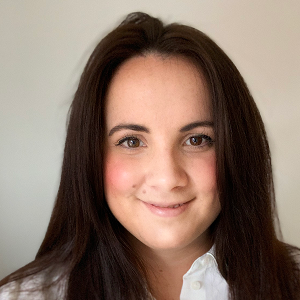
Antonia Wierzbicki is a Principal Market Development Manager at Waters, supporting the EMEA region. She holds a BSc in Pharmaceutical Science and an MSc in Cancer Pharmacology. Antonia began her career as an analytical chemist, working in drug development across both academic laboratories and contract research organisations. Building on this foundation, she now partners closely […]
Kate Coleman

Kate Coleman is Vice President of Contamination Control, Microbial Excellence and Analytical Services within Pharma Services Group (PSG) Global Quality at Thermo Fisher Scientific. In this role, she leads global contamination control and microbial excellence initiatives while advancing PSG’s enterprise analytical services capability, including governance, standards and support models for analytical laboratory operations across the […]
Ziyaur Rahman
Dr. Ziyaur Rahman received his Ph.D. in pharmaceutics from Hamdard University in 2005. Dr. Rahman joined the Pharmaceutical Sciences Department at Texas A&M University as an Associate Professor in 2016. Dr. Rahman teaches Pharmaceutics and Pharmaceutical Calculations courses to PharmD students, and Advance physical pharmacy to graduate students. Dr. Rahman’s research focuses are on formulation […]
Doris Lacej

Pharmacist expert in sterile production and business development Doris Lacej is a pharmacist, a PhD candidate at Sapienza University of Rome, Excellent Department of Pharmaceutical Sciences. She has over 10 years of experience in the pharmaceutical industry, with strong expertise in sterile production and 5 years in business development for international market. She previously served […]
Vasiliki Kalodimou

Dr. Vasiliki E. Kalodimou is the Director at the Flow Cytometry-Research and Regenerative Medicine Department of IASO Maternity-Pediatric and Research Hospital in Athens, Greece, as well as the Assistant Professor and the acting Chair, at the European University-Cyprus Ltd. Frankfurt Branch as well as the acting chair, collaborative Partner for the Greek Research Infrastructure for […]
Mayank Bhanti
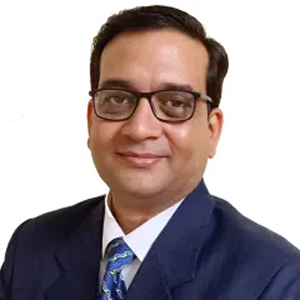
Dr. Mayank Bhanti has been with USP since 2019 and holds the position of Senior Director in the Compendial Development Laboratory at USP India. He leads a team of scientists involved in the modernization of monographs for small molecules (drug substances and drug products), excipients, and food ingredients. Dr. Bhanti obtained his Ph.D. from […]
